

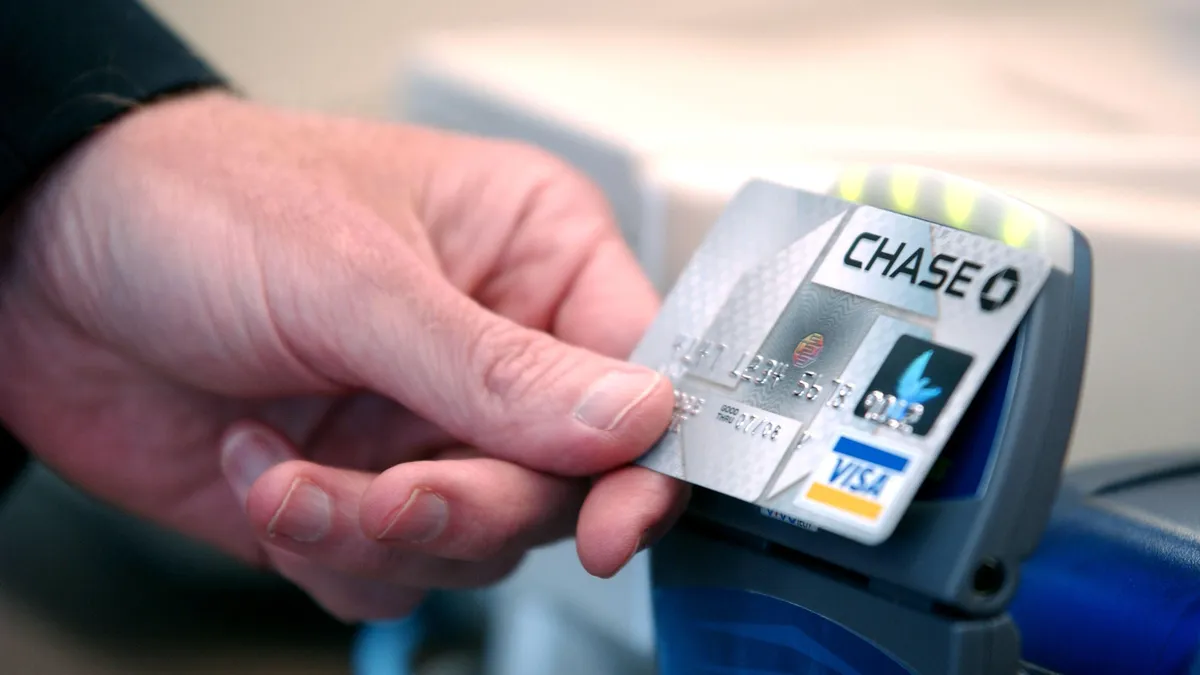
Credit cards sit quietly in wallets and mobile apps, usually pulled out for purchases, bills, or the occasional online order. Most people focus on the obvious benefits like cashback or reward points, but those barely scratch the surface of what many cards actually offer. A surprising number of built-in perks remain untouched simply because cardholders never realize they exist. Digging into those benefits can turn an ordinary card into a tool that saves money, adds convenience, and occasionally rescues a stressful situation.
Reading through the fine print of a credit card agreement can feel tedious, yet it reveals a hidden world of features that go far beyond payment processing. Travel protection, purchase safeguards, price guarantees, and concierge services are often quietly included with no additional cost. Card issuers rarely highlight them aggressively because many customers never bother to claim them. That lack of awareness means countless benefits expire unused every year.
Exploring these overlooked perks changed how I see credit cards. Instead of viewing them purely as borrowing tools, they become small safety nets built into everyday spending. A few minutes spent checking what a card offers can unlock real advantages that would otherwise require separate insurance policies or paid memberships. Many of these benefits activate automatically the moment a purchase is made with the card.
The most surprising part is how easy many of these perks are to use once you know they exist. Filing a claim or activating a benefit usually involves nothing more than submitting a receipt or calling the card’s support line. That small effort can lead to refunds, protections, and services that most people assume require extra fees.
Purchase Protection That Covers Accidents
New purchases always carry a small risk. Items get dropped, electronics malfunction, and packages occasionally disappear before reaching the front door. Purchase protection is one of the most overlooked benefits that quietly protects many credit card purchases against damage or theft.
Many credit cards automatically cover new items for a limited period, often around 90 to 120 days after the purchase date. If something breaks or gets stolen during that time, the card issuer may reimburse the cost or repair the item. The coverage typically applies as long as the item was purchased with the credit card.
This perk becomes incredibly valuable for expensive purchases like phones, laptops, or appliances. Accidents happen unexpectedly, and manufacturer warranties rarely cover accidental damage. Filing a purchase protection claim can sometimes turn what would have been a costly replacement into a fully reimbursed situation.
Extended Warranty Benefits That Stretch Manufacturer Coverage
Electronics and appliances often come with a manufacturer warranty, but those warranties usually expire sooner than expected. Credit cards frequently extend that coverage automatically when the item is purchased using the card. That extension can add an extra year to the original warranty without any additional cost.
This feature becomes particularly helpful for devices that tend to fail after the initial warranty period ends. If a product breaks after the manufacturer coverage expires but still falls within the extended warranty period, the credit card issuer may cover repairs or replacement costs. It effectively provides an extra safety layer that most consumers never realize they already have.
Using this perk requires saving purchase receipts and warranty documentation, which makes record-keeping important. Fortunately, digital statements and email confirmations make that process easier than ever. Keeping those records can transform a frustrating product failure into a manageable claim.
Travel Insurance Built Into Your Card
Travel insurance often feels like another expense added during flight bookings. Many people buy separate policies without realizing their credit cards may already include similar protections. Cards with travel benefits often provide coverage for trip cancellations, delays, and lost luggage.
Booking flights or hotels using a qualifying credit card can activate these protections automatically. If a flight is canceled or luggage is delayed, the card issuer may reimburse expenses such as hotel stays, meals, or replacement clothing. Those reimbursements can turn travel disruptions into manageable inconveniences rather than financial headaches.
Even cards without annual fees sometimes include basic travel coverage. Premium travel cards often provide even broader benefits, including medical assistance and emergency evacuation services. Checking the travel protections attached to a credit card can prevent paying for redundant insurance.
Rental Car Coverage That Saves on Extra Insurance
Rental car counters frequently offer collision insurance that can significantly increase the total cost of renting a vehicle. Many travelers accept the offer out of caution because they want protection in case of an accident. Credit cards often include rental car coverage that can replace that extra insurance.
When a rental car is paid for with an eligible credit card, the card may provide collision damage protection for the vehicle. That coverage typically applies to theft or damage to the rental car itself. It often works as secondary coverage, meaning it activates after personal auto insurance, though some premium cards provide primary coverage.
Declining the rental agency’s insurance while relying on credit card coverage can save substantial money over time. However, reviewing the card’s terms remains important because coverage details vary between issuers. Knowing those details before arriving at the rental counter makes the decision much easier.
Price Protection That Refunds the Difference
Finding a product cheaper shortly after buying it can feel frustrating. Price protection benefits aim to solve that problem by reimbursing the difference if the price drops within a certain timeframe after purchase.
This perk typically requires proof of the lower price from another retailer. If the price drop qualifies under the card’s terms, the issuer refunds the difference up to a certain limit. It transforms buyer’s remorse into a quick claim that restores the lost savings.
Price protection has become less common in recent years, but some cards still offer it quietly. Checking the card’s benefit guide can reveal whether this feature still exists. Even occasional use of price protection can recover money that would otherwise be lost.
Concierge Services That Handle Everyday Tasks
Credit card concierge services sound luxurious, yet they are often included with many mid-tier and premium cards. These services function like personal assistants that help with reservations, event planning, or travel arrangements.
Calling the concierge line can help secure dinner reservations, locate sold-out event tickets, or plan travel itineraries. Some services even assist with gift ideas or last-minute flower deliveries. That level of support can save time when schedules become overwhelming.
Using a concierge service may feel unusual at first, but the convenience becomes clear quickly. Delegating small tasks frees up time and reduces stress, especially during busy periods or while traveling.
Airport Lounge Access for Comfortable Travel
Airports can be chaotic places filled with crowds, noise, and long waiting times. Lounge access changes that experience by providing quiet spaces with comfortable seating, food, and reliable internet.
Many travel credit cards include complimentary or discounted entry to airport lounges around the world. Some offer memberships to lounge networks that allow cardholders to relax before flights instead of sitting in crowded terminals.
These lounges often include snacks, drinks, charging stations, and workspaces. Long layovers become far more comfortable with access to a peaceful environment. Travelers who frequently pass through busy airports quickly appreciate the difference.
Cell Phone Protection Through Monthly Payments
Smartphones have become essential tools for work, communication, and entertainment. Repairing or replacing a damaged phone can be expensive, especially without insurance. Certain credit cards provide cell phone protection when the monthly bill is paid with the card.
This protection often covers damage or theft of the phone, with reimbursement limits that help offset repair costs. The benefit usually applies automatically as long as the phone bill is charged to the credit card each month.
Many people purchase separate phone insurance plans without realizing their credit card may already provide similar coverage. Switching the monthly phone payment to the card could activate a protection plan that costs nothing extra.
Fraud Protection and Purchase Dispute Assistance
Fraud protection is one of the most valuable benefits attached to credit cards, yet it rarely receives much attention until it becomes necessary. Credit card issuers actively monitor transactions and flag suspicious activity before it turns into a serious problem.
If unauthorized charges appear, disputing them typically involves a quick call or online form. The issuer investigates the claim and often removes the charges during the review process. That protection shields cardholders from financial losses caused by fraud.
Dispute assistance also helps resolve issues with merchants. If a product never arrives or a service fails to match what was promised, the credit card company can step in to investigate. Having that support adds another layer of protection to everyday purchases.
Turning Hidden Perks Into Everyday Advantages
Credit cards hold far more value than most people realize. Perks like purchase protection, travel coverage, concierge services, and price guarantees quietly wait in the background until someone decides to use them. Ignoring those features means leaving valuable benefits unused.
Reviewing the benefit guide that comes with a credit card can uncover surprising advantages. Many issuers provide detailed explanations of every included perk, along with instructions on how to activate or claim them. Spending a little time exploring those details can lead to meaningful savings and extra convenience.
Credit cards become far more useful once those hidden perks move from fine print to real-world tools. A damaged purchase, delayed flight, or unexpected phone accident suddenly feels less stressful when protection already exists. That quiet safety net is one of the most underrated aspects of carrying a credit card.
Exploring those features completely changed how I use my cards. Instead of focusing only on rewards points, I now see them as tools that provide layers of support during everyday life. Those hidden perks were always there, waiting patiently in the background, ready to prove their value the moment they are finally used.