

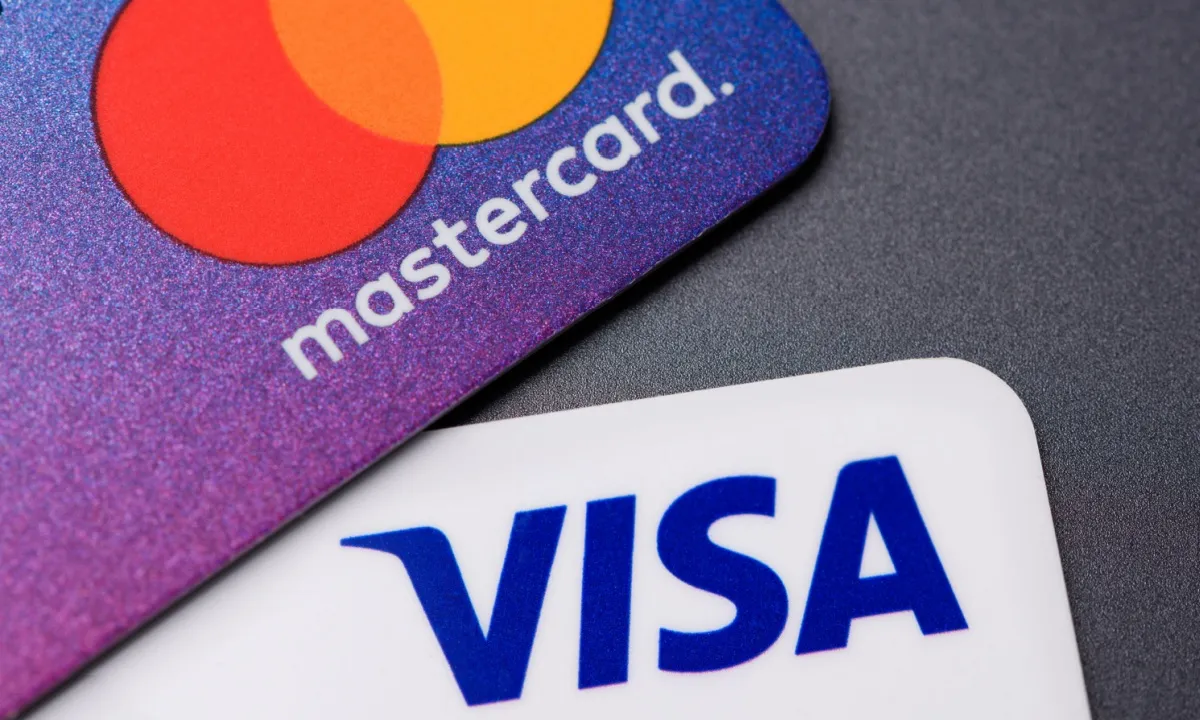
Credit cards often look similar on the surface. A sleek piece of plastic, a chip, a logo, and a line of credit. Yet the small symbol printed in the corner of a card can quietly shape how transactions are processed, which perks are available, and how widely the card is accepted around the world. The logos of Visa and Mastercard appear on billions of cards, and most people carry at least one without thinking about the network behind it.
Curiosity about these two payment giants grew after noticing how frequently the debate pops up in finance discussions. Many people insist one is better than the other, while others say they are practically identical. Digging deeper reveals that the truth sits somewhere in between. The differences are subtle, but they can matter depending on how a card is used.
The real story is not about which company is superior in an absolute sense. Instead, the more important question is how each network operates and how those differences influence real-world card usage. A closer look at acceptance, benefits, security, and card offerings paints a much clearer picture of what sets Visa and Mastercard apart.
The Role of Payment Networks
Visa and Mastercard are often mistaken for banks, but they actually operate as payment networks. Their job is to connect merchants, banks, and consumers so that transactions can move smoothly from one party to another. When a card is swiped, tapped, or inserted, the payment network routes the transaction between the merchant’s bank and the cardholder’s issuing bank.
This structure means that Visa and Mastercard do not issue credit cards themselves. Instead, banks like Chase, Citibank, Capital One, and many others create the actual credit card accounts. These banks determine interest rates, annual fees, credit limits, and many of the rewards programs tied to each card.
The payment network, however, still plays an important role in shaping the experience. Each network provides its own layers of benefits, security protections, and merchant relationships. Even though banks control the card accounts, the network quietly influences many aspects of how a card works in everyday life.
Global Reach and Acceptance
Visa has long promoted itself as the most widely accepted payment network in the world. That claim is mostly accurate, particularly in certain developing regions where Visa built early partnerships with banks and merchants. Millions of businesses across more than 200 countries accept Visa, making it one of the easiest cards to use internationally.
Mastercard follows very closely behind in global coverage. In most cities, travelers will notice almost no difference between the two networks when paying for hotels, restaurants, or transportation. Both companies operate massive global infrastructures designed to process transactions within seconds.
A few isolated locations still show small gaps in acceptance. Certain merchants may support one network but not the other due to processing agreements with their payment providers. These cases are rare, but they highlight why many travelers carry two cards from different networks for flexibility.
Transaction Processing Speed and Technology
Payment speed has become a defining feature of modern financial networks. Consumers expect instant approvals whether they are paying online, tapping their phone, or inserting a chip card at checkout. Visa and Mastercard have both invested heavily in building extremely fast processing systems capable of handling tens of thousands of transactions per second.
Visa’s processing platform is called VisaNet, a system designed to move payments across its global network with remarkable reliability. Transactions are typically authorized within a fraction of a second, even when they involve banks in different countries.
Mastercard operates a similarly powerful network that handles enormous transaction volumes every day. Its infrastructure supports real-time payments, fraud monitoring, and advanced data analytics. In practice, most consumers will never notice a difference in speed between the two systems because both networks are engineered for near-instant approvals.
Security and Fraud Protection
Security is one of the most important responsibilities carried by payment networks. Every credit card transaction travels through multiple systems, and protecting those systems from fraud is a constant challenge. Visa and Mastercard both rely on sophisticated monitoring technology to detect suspicious activity before it becomes a major problem.
Artificial intelligence and behavioral analysis play major roles in modern fraud prevention. Each network studies transaction patterns and flags unusual activity that might indicate stolen card information. If something looks suspicious, the system can automatically block the transaction or request additional verification.
Cardholders often experience this protection when a purchase triggers a fraud alert. A quick text message or notification appears asking whether the transaction is legitimate. These safeguards operate quietly in the background, reducing the risk of unauthorized purchases across both networks.
Core Network Benefits
Visa and Mastercard provide baseline benefits that apply to many cards operating on their networks. These benefits are separate from the rewards programs offered by issuing banks. While not every card includes every benefit, certain protections are commonly available depending on the card tier.
Travel protections represent one example of network-level perks. Many Visa Signature and Mastercard World cards include trip cancellation coverage, travel accident insurance, and rental car protection. These features can provide valuable safety nets during unexpected travel disruptions.
Purchase protections also appear on many cards. If an item is damaged or stolen shortly after purchase, the card’s protection policy may reimburse the cardholder. Some cards even extend manufacturer warranties on eligible purchases, which can be surprisingly useful for electronics and appliances.
Card Tiers and Premium Levels
Both networks divide their offerings into several tiers, each with different sets of benefits. Visa typically uses categories like Traditional, Signature, and Infinite. Mastercard uses Standard, World, and World Elite tiers.
Higher-tier cards often include more extensive travel perks, concierge services, and luxury benefits. These premium features may include airport lounge access, hotel upgrades, and dedicated customer service lines. Banks decide which tier to assign to a particular credit card based on the audience they are targeting.
Premium cards tied to these tiers can sometimes overlap in benefits. A Visa Infinite card from one bank may offer a similar experience to a World Elite Mastercard from another bank. The issuing bank ultimately determines the details, but the network tier still provides a framework for potential perks.
Rewards Programs and Card Features
Many people assume Visa or Mastercard controls the rewards points earned through their credit cards. In reality, rewards programs are created by the issuing bank rather than the network. A Visa card and a Mastercard card issued by the same bank may offer identical rewards structures.
Banks design rewards programs around spending categories like travel, dining, groceries, or online purchases. Points, miles, or cash back accumulate based on the cardholder’s activity. The network logo on the card does not automatically determine how rewards are earned.
Despite that fact, certain partnerships between networks and banks can influence rewards opportunities. Some promotions or merchant offers may be exclusive to Visa or Mastercard cardholders. These offers tend to rotate over time, creating occasional advantages depending on the network tied to the card.
Merchant Fees and Business Relationships
Behind every credit card transaction lies a set of processing fees paid by merchants. These fees help fund the payment infrastructure operated by banks and networks. Merchants rarely discuss these costs openly with customers, but they are an important factor in how payment networks compete with each other.
Visa and Mastercard negotiate processing structures with payment processors and merchant service providers. The specific rates can vary depending on the type of card used, the business category, and the transaction method. Online transactions often carry slightly higher fees than in-person payments because of increased fraud risk.
Competition between the networks encourages innovation and efficiency. Each company works to maintain strong relationships with banks and merchants while expanding its payment ecosystem. These partnerships influence where and how cards are accepted around the world.
International Travel and Currency Conversion
Travelers often pay attention to which cards perform best overseas. Visa and Mastercard both offer excellent international acceptance, but small differences can occasionally appear in foreign exchange handling. Currency conversion rates depend primarily on the issuing bank, but the network also plays a role in setting the base exchange rate.
Both companies use highly competitive exchange rate systems based on global currency markets. The difference between their rates is typically very small, often less than a fraction of a percent. For most travelers, the larger concern is whether the card charges foreign transaction fees.
Many travel-focused credit cards waive those fees entirely, regardless of whether the card runs on Visa or Mastercard. The presence or absence of these fees can make a bigger financial difference than the network itself during international trips.
Digital Payments and Future Technology
Payment technology continues to evolve rapidly, and both Visa and Mastercard are investing heavily in digital innovation. Mobile wallets, contactless payments, and tokenized transactions are now standard features in modern payment systems. These technologies allow consumers to pay using smartphones, smartwatches, or even biometric authentication.
Contactless payments have become particularly popular in cities with heavy public transportation usage. A quick tap of a card or phone can complete a transaction in seconds without requiring a PIN or signature for smaller purchases. Both networks support this technology across millions of merchants.
The future of payments may involve even more advanced features such as biometric verification, decentralized finance integration, and real-time cross-border transfers. Visa and Mastercard are competing aggressively in these areas as the financial world moves toward faster and more secure digital transactions.
Which Network Makes the Bigger Difference
Debates about Visa versus Mastercard often miss the bigger picture. The issuing bank has a much stronger influence over the overall credit card experience. Interest rates, rewards programs, annual fees, and credit limits are determined by the bank rather than the network.
That reality explains why two cards with different network logos can feel almost identical in daily use. If the same bank issues both cards with similar terms, the cardholder may never notice a meaningful difference between them.
Still, the network matters in subtle ways. Acceptance patterns, network-level benefits, and technology partnerships can shape how smoothly a card works across different environments. Those small factors add up over time, especially for people who travel frequently or rely heavily on their credit cards.
Final Thoughts on Visa and Mastercard
Visa and Mastercard dominate the global payments industry for good reason. Both networks have built enormous infrastructures capable of handling billions of transactions every year with remarkable speed and reliability. Their systems connect banks, merchants, and consumers in ways that make modern commerce possible.
The differences between the two networks are smaller than many people expect. Most cardholders will experience similar acceptance levels, security protections, and transaction speeds regardless of which logo appears on their card. The real variation tends to come from the bank issuing the card and the specific features attached to that account.
Carrying cards from both networks can provide a small layer of flexibility, especially for international travel. Beyond that, the focus should remain on the card’s rewards program, fees, and overall value. In the end, the best card is not determined by whether it says Visa or Mastercard, but by how well it fits the way money moves through everyday life.